 Loads from YouTube only after you press play
ATF frame and receiver rule struck down: Defense Distributed v. Blanche ruling
Key points: ATF frame receiver rule
- VanDerStok v. Bondi settled only whether ATF exceeded the authority Congress gave it — a 7-2 loss for the challengers with Justice Gorsuch writing. All parties here agreed the Supreme Court never reached any constitutional issue, which left both of these claims live.
- On vagueness, the court found the rule predicates what “readily” means on a list of non-exclusive factors that establish no generally applicable test and instead devolve into guesswork and intuition.
- The practical failure is fair notice: nothing in the rule marks where along the continuum a block of metal or liquid polymer stops being raw material and becomes a regulated frame or receiver, leaving the line to ATF's subjective judgment.
- On the Second Amendment, the government conceded the threshold question — making or repairing your own firearm is conduct covered by the plain text — which shifted the burden to a historical showing.
- That showing failed. The court read the Massachusetts and Maine barrel-proofing laws as product-safety measures rather than crime control, a different constitutional category, and held the rule contradicts an American tradition of personal gunsmithing that was foundational to the founding.
- Not every claim landed: summary judgment was granted in part to the plaintiffs and in part to the government, with the vagueness and Second Amendment holdings carrying the result.
- The remedy is a permanent injunction, and under current limits on universal relief it covers only the named and organizational plaintiffs — Kirk expects a DOJ appeal to the Fifth Circuit and warns that state law may bar the activity regardless.
About this Drama and Gripe video
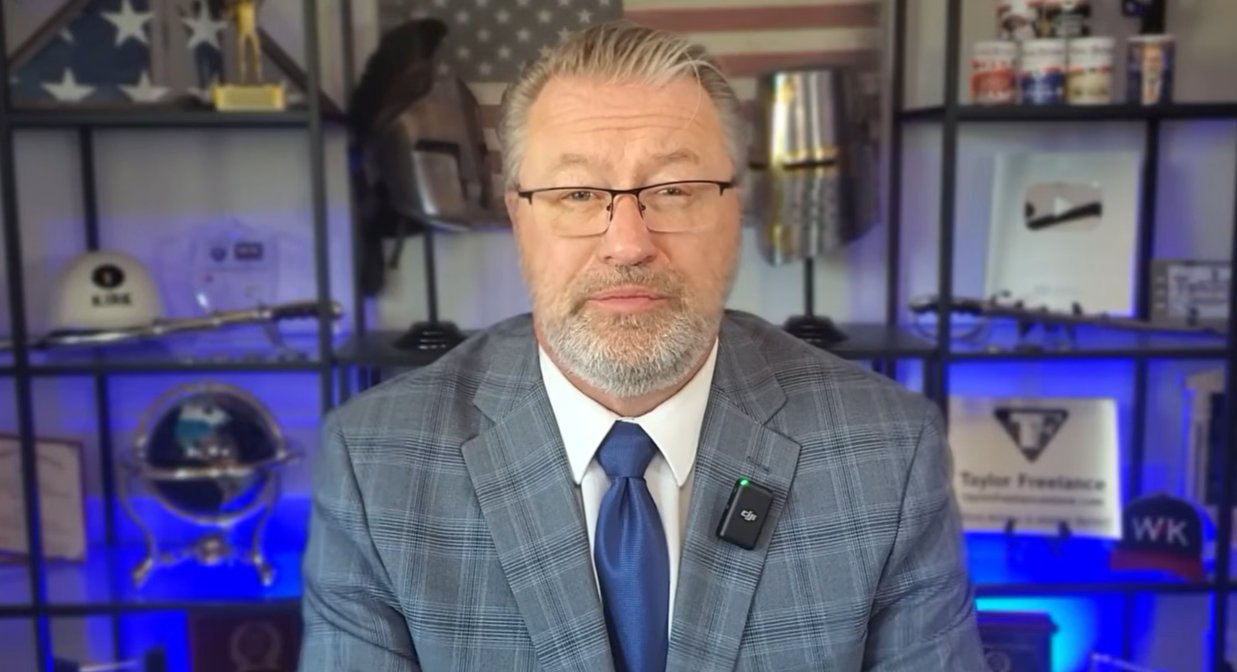
ATF frame and receiver rule struck down: a federal judge in the Northern District of Texas held the 2022 definition of a frame or receiver void for vagueness under the Fifth Amendment and unconstitutional under the Second, in Defense Distributed et al. v. Blanche. Washington Gun Law president William Kirk walks the opinion — why VanDerStok v. Bondi left these questions open, how the “readily converted” standard failed for lack of fair notice, and why colonial barrel-proofing laws did not survive as analogues. The injunction reaches the plaintiffs only.
Transcript: ATF frame receiver
Read the excerpt
Hello again everyone. Welcome to Washington Gun Law TV. I am Washington Gun Law President, William Kirk. Thanks for joining us. The good news just keeps on rolling. We're going to talk about ATF's rule on unfinished frames and receivers. And I know many of you are saying, "Wait, wouldn't didn't the Supreme Court already deal with that in the case of Vanderto v Bondi?" They did, but they left some […]
Full transcript on file — indexed for site search.