 Loads from YouTube only after you press play
Rifle suppressor buying guide: low back pressure vs traditional cans, materials, mounts
Key points: Rifle suppressor buying guide
- Low back pressure cans use 3D-printed internal geometry to slow gas rather than expand it, so they run on untuned hosts, but the category is a sliding scale with HUXWRX at the no-added-back-pressure extreme and most of the market well right of it.
- Traditional baffle cans still win on flash, concussion, heat and durability, and remain the better pick on a rifle built from the start with an adjustable gas block or piston regulator to tune for them.
- Titanium buys weight savings at effectively identical sound reduction but oxidizes, sparks and erodes fast, so it belongs on hunting and precision guns rather than high-volume semi-auto use.
- Stainless is the sensible default for serious training volume, and Inconel and Haynes are nickel-alloy brand names for the same tougher tier, worth the added weight mainly on belt-feds and very high round counts.
- Suppressors are consumables like barrels: his Sandman S showed major baffle degradation around 20,000 rounds, a 5.56K low back pressure can was in poor shape at 10,000, and a titanium can matched that wear at roughly 3,000.
- Standard-length cans go on short barrels when flash matters, K cans suit 12.5 inches and longer, and performance-length cans are for subsonic or hunting where the weight and back pressure are acceptable trade-offs.
- Direct thread saves roughly $100 and 3 to 4 ounces if you commit one can to one gun; otherwise hub keeps options open, a taper QD mount such as the Rearden Atlas is the safe default, and an A2 flash hider is not a suppressor mount.
About this Gun Review video
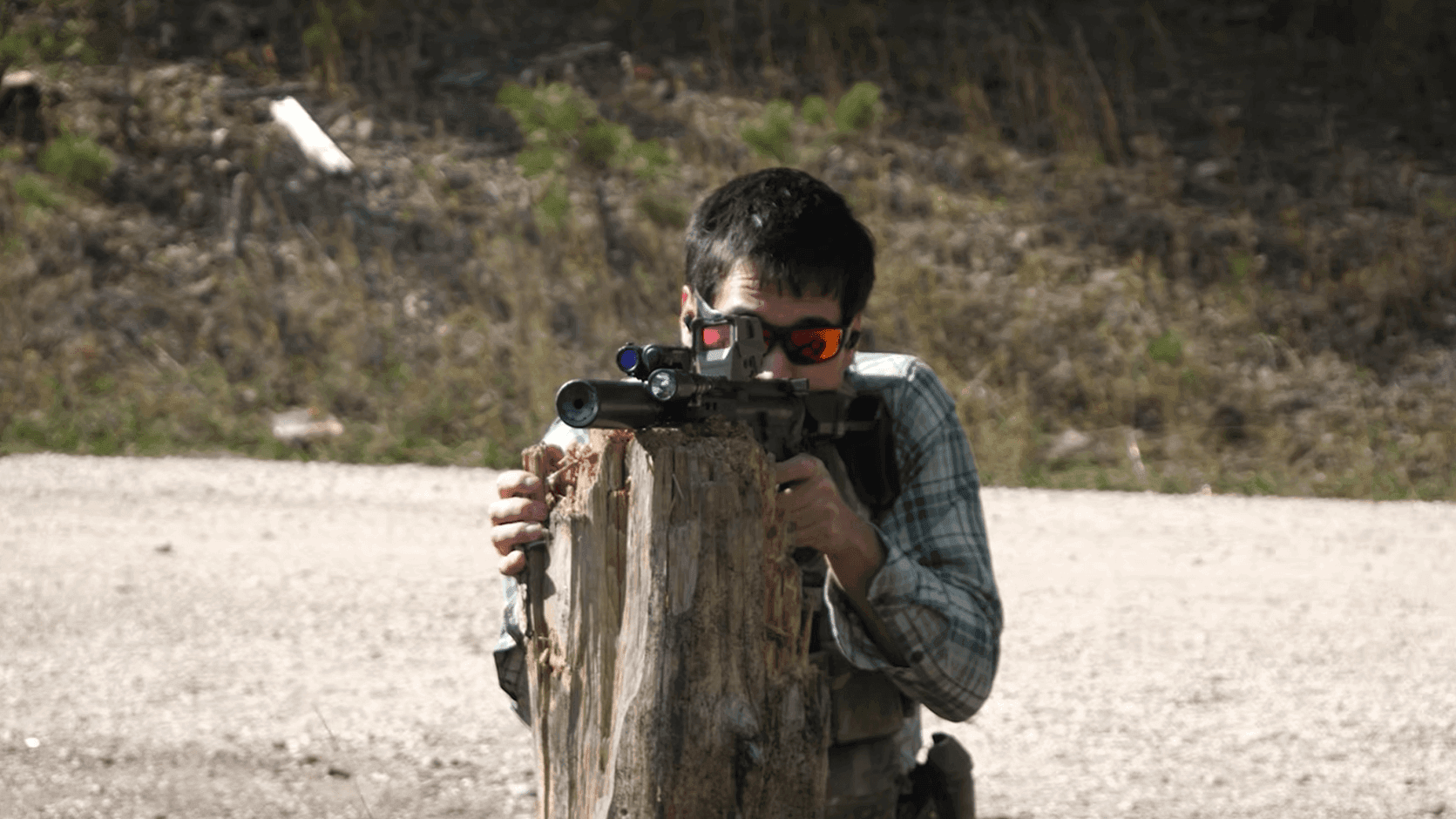
Rifle suppressor buying guide from Brass Facts: how to choose between low back pressure and traditional baffle cans, titanium against stainless and Inconel, K against standard length, and hub, direct thread or QD mounting. With wait times down to days and a 4473 path possibly coming, the problem is no longer availability but decision paralysis. Built on five years of shooting almost exclusively suppressed, with wear reports from cans carrying 3,000 to 30,000 rounds, and weighted toward signature reduction — flash, concussion and downrange tone — rather than raw sound to the shooter.
Transcript: Rifle suppressor buying
Read the excerpt
Hey guys, Brassfax here. Not to back in my day you, but back in my day, suppressors used to be a major pain in the rear end. Almost year-long weight times, pages of actual paperwork that had you mail in your form, and designs that seemingly just objectively made your gun worse. Nowadays, that's completely flipped. New cuttingedge suppressors released every 4 and 1/2 minutes with no downsides to Un […]
Full transcript on file — indexed for site search.